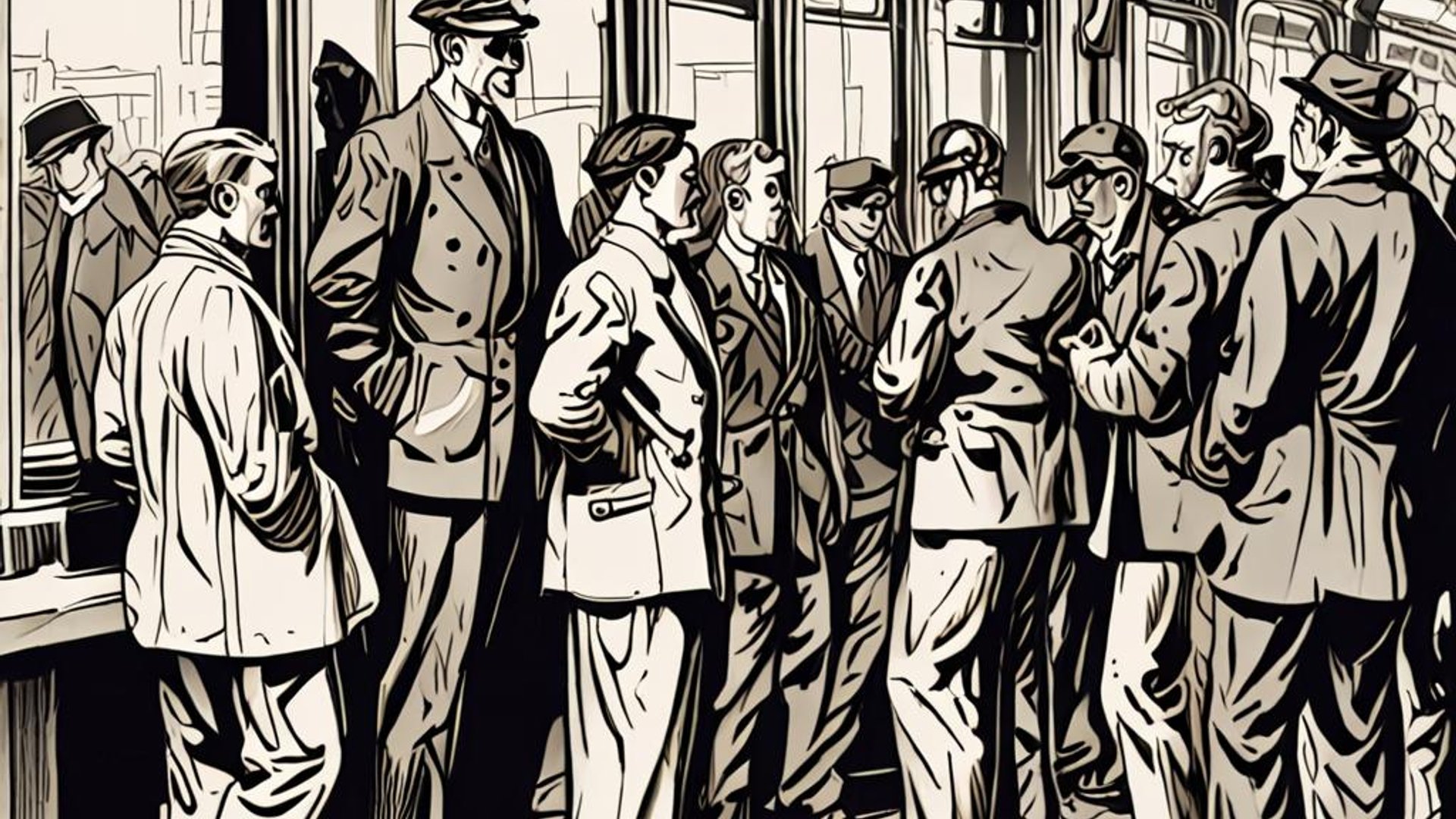
A job 10 miles away might as well be 100 if you can't get there. Mobility isn't about distance—it's about access. And in American cities, access is profoundly unequal.
Transit is the infrastructure of opportunity. Who can afford a car? Who lives near good transit? Who waits 45 minutes for a bus? These questions determine life outcomes as much as education or housing.
The Mobility Gap
Low-income workers face a cruel paradox: jobs are increasingly suburban, but they live in cities (where rent, though expensive, is still cheaper than car ownership). Suburban employers assume car access. Transit systems, designed for downtown commuters, don't serve suburb-to-suburb trips.
Result: "job sprawl without housing sprawl." Employment decentralizes while workers stay put—and transit can't bridge the gap.
This isn't accidental. It's the result of
decades of policy choices that prioritized highways over transit, cars over people, convenience for some over access for all.
Read the full article at Sol Meridian.